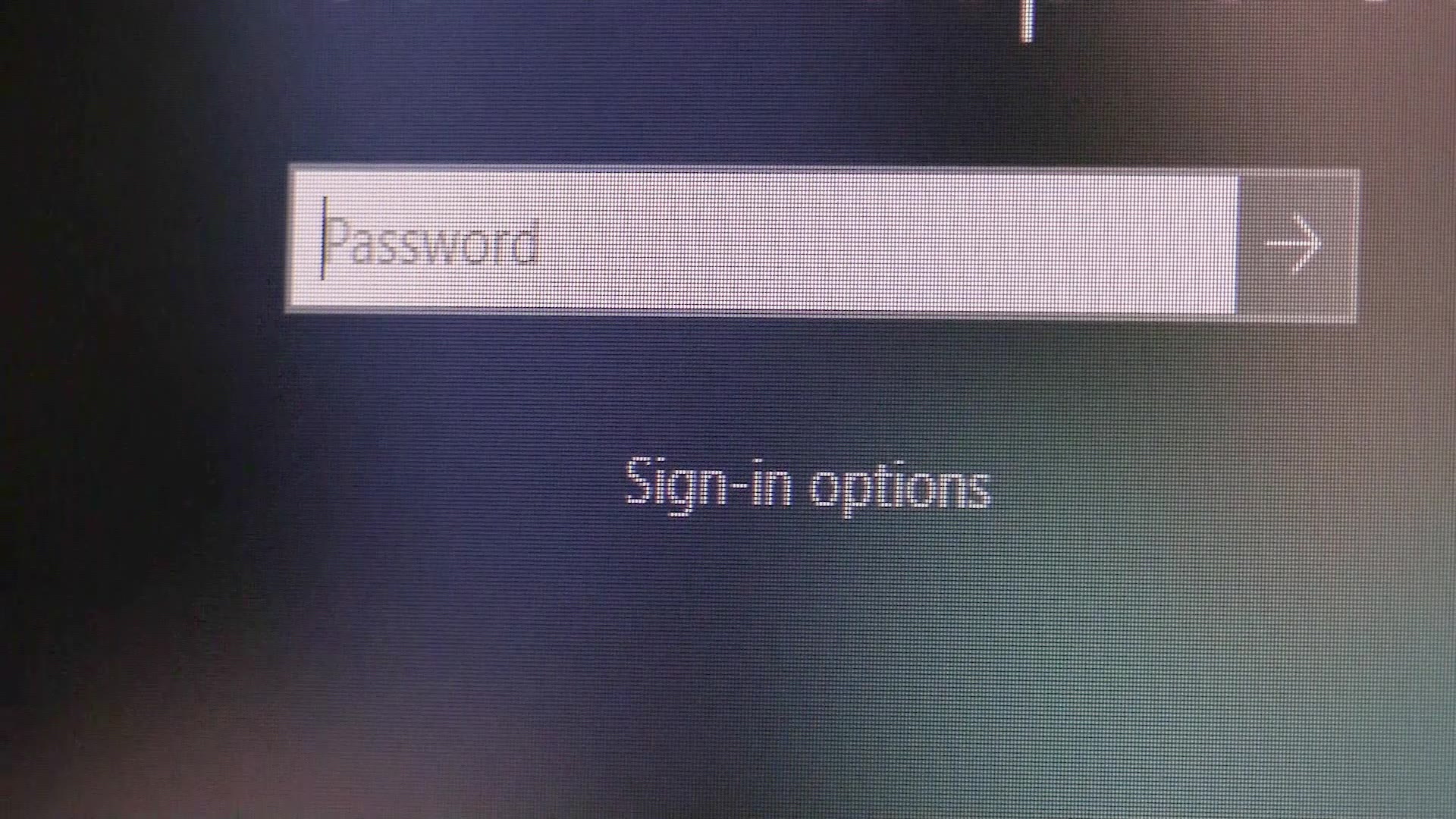
The Death of the Password: Why Our Stubborn Laziness is Forcing a Digital Identity Revolution
If you were to peek inside the digital vault guarding humanity’s most sensitive personal secrets—our bank accounts, private messages, and medical records—you wouldn't find complex cryptographic armor. You would find "123456." Or "password." Or, for roughly four million people, the word "monkey."
For nearly three decades, security engineers have gently coaxed, nudged, and outright begged the global public to create stronger digital credentials. We haven't listened. What makes this particularly fascinating is that our collective refusal to care about password strength isn't just an security flaw; it’s a profound psychological declaration. Human beings simply refuse to act like databases. Personally, I think we have reached the end of an era where asking humans to memorize random 16-character strings is considered a viable security model.
The Illusion of Secrecy in an Automated World
Recent exposure data reveals that "123456" alone accounts for nearly 210 million leaked credentials, while basic keyboard sequences like "qwerty" and everyday names like "Daniel" continue to guard millions of digital front doors. From my perspective, the real issue here isn't just that these credentials are easy to guess. What many people don't realize is that cybercriminals rarely sit around guessing passwords manually anymore.
When someone uses their favorite sports team or pet's name, they believe they are picking something personal and obscure. But in the modern threat landscape, hackers deploy automated scripts that bombard login systems with millions of previously leaked credential combinations in seconds. If you take a step back and think about it, relying on an easily memorable word in 2026 is the equivalent of locking your front door with a piece of Scotch tape and assuming nobody will notice.
Why We Are Hardwired to Fail at Security
One thing that immediately stands out is the fundamental conflict between human biology and modern cyber hygiene. Our brains evolved to remember meaningful connections—names, places, stories—not abstract gibberish like k8#mP!9xZ. When forced to create hundreds of distinct logins across the web, the average person defaults to path-of-least-resistance thinking.
In my opinion, blaming users for poor password choices misses the larger systemic reality. Expecting the human brain to manage an ever-expanding array of unique cryptographic keys is a flawed design philosophy. We built a digital infrastructure that demands robotic precision from organic brains, and then we act surprised when people default to "monkey."
The Friction Paradox: Password Managers and the Passkey Era
Security specialists often point to password managers as the ultimate interim solution, and while I agree they are essential tools today, they still introduce friction. You still have to manage a master key, install browser extensions, and navigate sync issues across devices. What this really suggests is that passwords themselves are an obsolete mechanism for identity verification.
This raises a deeper question: What replaces the password? We are currently witnessing a massive industry pivot toward passkeys, biometric authentication (like facial recognition and fingerprints), and hardware-backed trusted devices. From my point```json
{