The Story Behind the Lawsuit
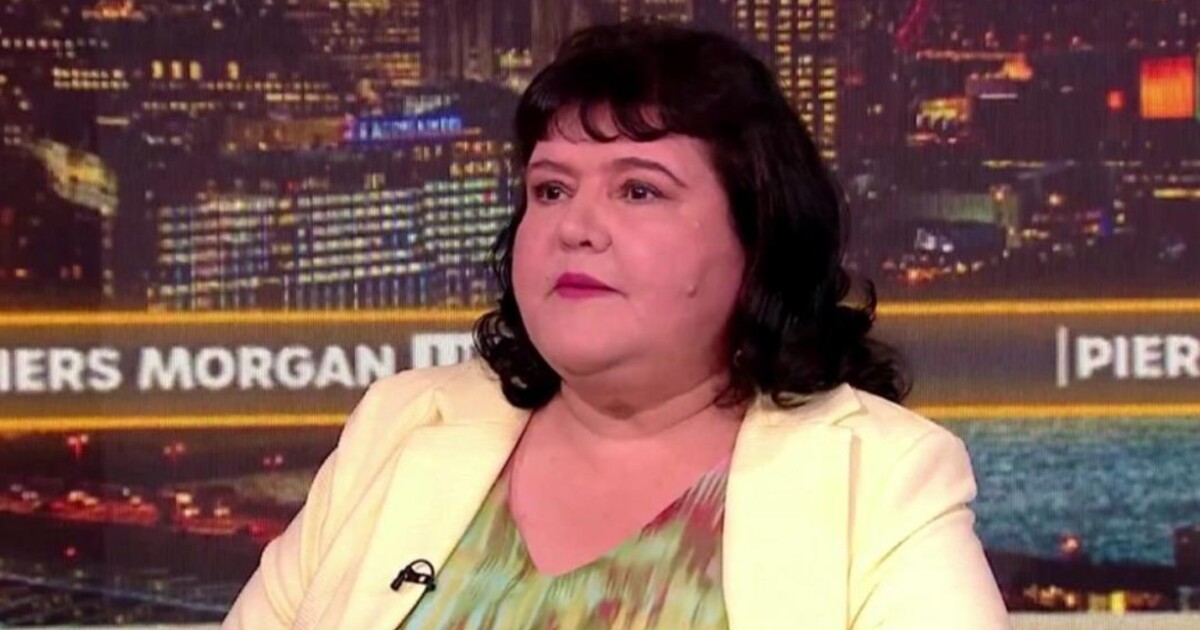
Fiona Harvey, a Scottish woman, has secured a significant victory in her ongoing battle against Netflix. She is suing the streaming giant for £127 million, alleging defamation after viewers identified her as the alleged stalker portrayed in the hit series Baby Reindeer. The series, created by comedian Richard Gadd, opens each episode with the claim, "This is a true story."
Harvey maintains that she has never been convicted of a crime or served jail time, contrary to the depiction in the show. She argues that Netflix's presentation of fictionalized details as fact has led to her being harassed and traumatized.
A Judge's Ruling and Netflix's Defense
U.S. District Judge R. Gary Klausner initially ruled in favor of Harvey, allowing the lawsuit to proceed. He emphasized the distinction between a drama based on real events and presenting them as factual. Klausner found meaningful differences between what Gadd accused Harvey of and the portrayal in the series, stating, "There is a major difference between stalking and being convicted of stalking in a court of law."
Netflix, however, argues that the series is based on Gadd's experiences and defends his right to tell his story. The company claims that Harvey cannot establish that viewers would reasonably understand the character Martha to be her.
The Federal Appeals Court's Decision
The federal appeals court has now ruled that it lacks jurisdiction to intervene, a significant development in Harvey's favor. Her U.S. lawyer, Richard Roth, believes this is good news, stating, "Netflix is doing everything to avoid a trial... There will be a trial in this action where its wrongdoing will be front and center before a jury."
Public Opinion and the Impact
The case has sparked debate and divided opinions. Some argue that Harvey identified herself as the stalker and is to blame for the mess, while others sympathize with her situation, believing Netflix failed to keep her identity private. One commenter highlights the importance of terminology, stating, "There is a reason why you say 'Based on a true story' vs 'This is a true story.'"
A Complex Legal Battle
The lawsuit raises complex legal questions, especially regarding jurisdiction. As Netflix is a U.S. corporation, and the series claims to be a "true story," the case is being heard in a California court. The legal proceedings have been a long and frustrating wait for Harvey, who claims her life has been ruined as a result of the show.
A Jury Trial and the Future
A Los Angeles jury will soon hear evidence from both sides, including Harvey's claim that she was identified as a twice-convicted stalker. The outcome of this trial will have significant implications for Netflix and the future of storytelling on streaming platforms. It remains to be seen whether Harvey's life will be restored or if Netflix will face a substantial financial penalty.
As the case unfolds, it serves as a reminder of the power of storytelling and the potential legal consequences when the line between truth and fiction becomes blurred.

