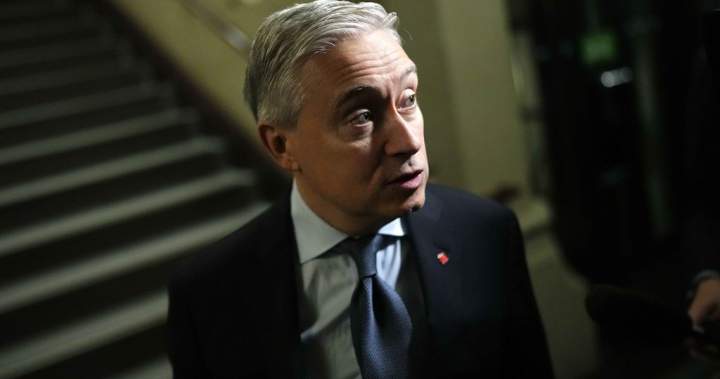
Canada’s Finance Minister, Francois-Philippe Champagne, has set a clear tone for the upcoming 2026 federal budget: it’s about Canada, not the U.S. trade war. Speaking at a pre-budget event in Toronto, Champagne emphasized the government’s commitment to building a stronger, more sovereign Canadian economy, even as global trade tensions persist.
A Budget Focused on Domestic Priorities
Champagne highlighted the need for Canada to invest in growth, diversify its trade relationships, and support its citizens during challenging times. “Whatever may happen in these discussions [around Canada-U.S. trade], we will see,” he said. “But one thing is true, everything I just said that we need to do for ourselves.”
The budget, set to be delivered on Thursday, is part of Prime Minister Mark Carney’s broader strategy to strengthen domestic industries, ramp up defense spending, and address affordability concerns. While the U.S. trade war remains a significant backdrop, Champagne’s message was clear: Canada’s economic future is in its own hands.
Trade Tensions Loom Large
Despite Champagne’s focus on domestic priorities, the U.S. trade relationship continues to cast a shadow. Recent reports suggest negotiations between Canada and the Trump administration may resume after stalling in August. Prime Minister Carney described a recent discussion with President Trump as “good,” with both sides working toward a mutually beneficial trade deal.
Trump himself hinted at progress, stating the two nations have a “concept” of an agreement and believes a deal is close. Yet, Champagne’s insistence that the budget is not about the U.S. trade war underscores a shift in focus—one that prioritizes Canada’s internal growth over external negotiations.
Public Reaction: Skepticism and Humor
Public reaction to the budget’s focus has been mixed. Some Canadians expressed skepticism about who truly benefits from the government’s plans. “Who is ‘us’?” one person asked. “Is it average Canadians like myself or is it the rich and elite who’s all very close friends with these Liberals?”
Another quipped, “‘Us’ here is BlackRock lol,” referencing the global asset management firm. The comment sparked a debate about the role of private equity and institutional investors in Canada’s economic strategy. One response highlighted the concern: “The budget disproportionately serves large-scale private equity, institutional asset managers, and global capital rather than the broader public or small-scale interests.”
Others injected humor into the discussion. “I support this government,” one person wrote sarcastically. “Sure they might be bailing out condos and okay, nothing has really improved healthcare wise, okay sure my bills are going up… but I just KNOW this next budget is going to support me.”
The Bigger Picture: Sovereignty and Inequality
Champagne’s emphasis on sovereignty and domestic growth comes at a critical time. Canada faces geopolitical turmoil, rising costs, and a need to diversify its trade partnerships. The budget’s success will likely hinge on its ability to balance these challenges while ensuring everyday Canadians benefit.
However, concerns about inequality persist. Critics argue that policies favoring large corporations and private equity firms could exacerbate wage suppression and affordability issues. As one commenter put it, “Everyday Canadians get screwed in the end here. Wages get suppressed, services become more expensive, and global asset managers laugh all the way to the bank.”
Looking Ahead
As Canada prepares for the 2026 budget, the government’s ability to deliver on its promises will be closely watched. While Champagne’s focus on domestic priorities is a welcome shift, the devil will be in the details. Will this budget truly benefit all Canadians, or will it further entrench the interests of the wealthy and powerful?
One thing is certain: in a world of economic uncertainty, Canada’s path forward must be one of inclusivity and resilience. As Champagne himself noted, the budget is about building a future for Canadians—a future that must leave no one behind.

