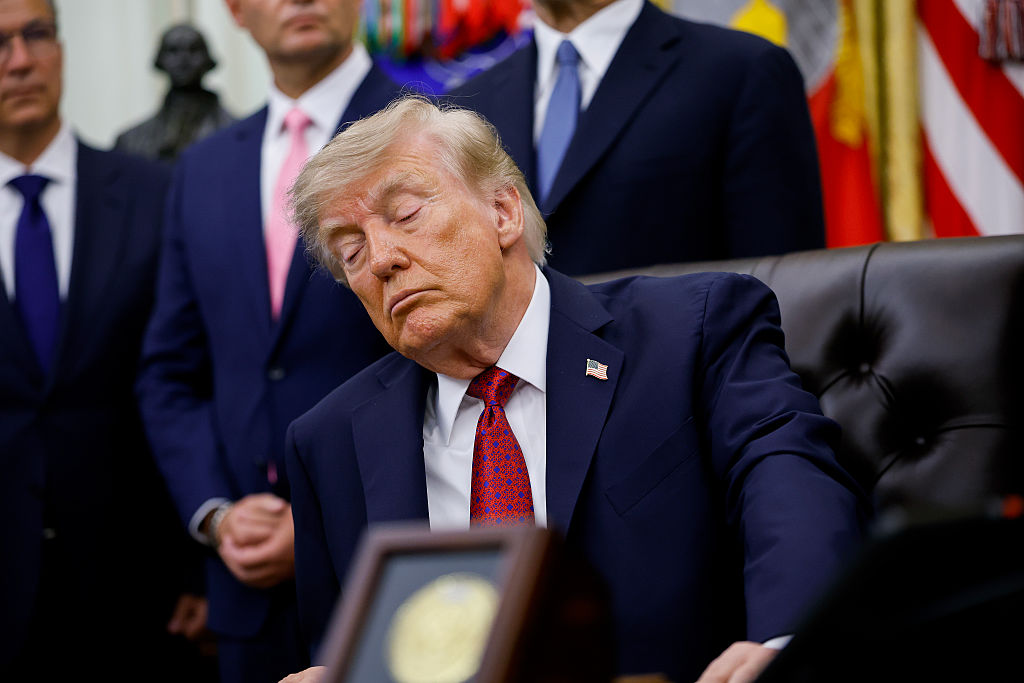
As election returns roll in, political observers are taking a hard look at the trajectory of contemporary right-wing populism. What once operated as an aggressive, insurgent movement appears to be hitting a wall of public fatigue, driven by a combination of persistent economic pressures, controversial foreign policy decisions, and a campaign style that has increasingly turned inward.
For nearly a decade, the political movement centered around Donald Trump maintained its momentum by tapping into deep-seated voter dissatisfaction with traditional institutions. Its appeal relied heavily on a promise to challenge the political status quo, champion working-class economic concerns, and disrupt established foreign policy norms. However, recent developments suggest that the connective tissue between the movement's rhetoric and the day-to-day realities of its audience may be weakening.
The Anatomy of an Out-of-Touch Campaign
During its peak political influence, populist messaging managed to merge grievance with a sense of collective purpose. Early campaign speeches frequently pitched the movement as a voice for the forgotten majority, framing the political struggle as a battle between entrenched elites and the broader public. That approach, however incoherently executed, allowed it to build a loyal and highly motivated coalition.
Recent campaign stops have presented a starkly different picture. Rather than focusing squarely on inflation, the cost of living, or systemic reform, recent speeches have leaned heavily into personal grievances and disconnected boasts. At stops across the country, voters facing steep energy costs and lingering economic uncertainty have been met with broad off-script tangents. In one instance, while addressing public frustration over high prices at the pump, the former president boasted about national energy windfalls, openly acknowledging that advisers had warned against bragging about government revenue while consumers suffered—only to declare that he simply did not care.
Similarly, proposals intended to alleviate economic anxiety have often landed with a thud. Promises of direct financial payouts have been paired with jokes about high-end resorts that average voters could never afford, highlighting a growing disconnect between the movement's leadership and the financial struggles of its base.
"He's been 'out of gas' and 'finished' and 'done' since 2015 people really still believe this shit."
While some critics argue that claims of the movement's decline are premature, the structural conditions surrounding the current political landscape differ significantly from past cycles.
Economic Strain and Foreign Policy Backlash
A major factor shaping the current political mood is the tangible fallout from recent geopolitical decisions. The ongoing conflict in the Middle East and military actions targeting Iran have sent shockwaves through global energy markets. The resulting instability in critical shipping corridors like the Strait of Hormuz has disrupted trade and driven up prices, leaving consumers at home and abroad to absorb the financial hit.
"Americans are running out of gas... literally."
For a political project that built its brand on avoiding foreign entanglements and lowering costs for everyday citizens, the combination of active overseas conflict and rising domestic expenses presents a difficult contradiction to explain away. Voters who were willing to overlook volatile rhetoric in exchange for economic stability are finding less reason to stay engaged when the tangible benefits fail to materialize.
"It was all fun and games when people could make money, it's not fun and games when he actively messes with that."
The Limits of Personalist Politics
Beyond individual policy friction points lies a broader structural issue: personalist political movements struggle to sustain themselves when they fail to broaden their appeal. Unlike traditional political parties that rely on enduring organizational infrastructure and policy platforms, movements built primarily around a single personality depend on continuous momentum and the perception of invincibility.
When that momentum stalls—whether due to electoral setbacks, low approval ratings, or simple voter exhaustion—the underlying coalition can fragment quickly. Observers note that while core supporters remain dedicated, turnout among casual aligned voters tends to drop significantly when the core message shifts from collective populist goals to personal defense.
"Don't be fooled, Dems are winning but it is not because of change of heart. Voting numbers in Red districts are down significantly across the board, so trump voters are often staying home. They are still out there and they just need another loser to energize them."
Whether the current midterm election results represent a permanent alignment shift or merely a temporary setback remains to be seen. What is clear, however, is that relying strictly on familiar grievance narratives without addressing core economic and strategic realities is yielding diminishing returns. As the political environment evolves, both major parties face the challenge of convincing an increasingly weary electorate that they have viable, forward-looking solutions to offer.

